Web architecture
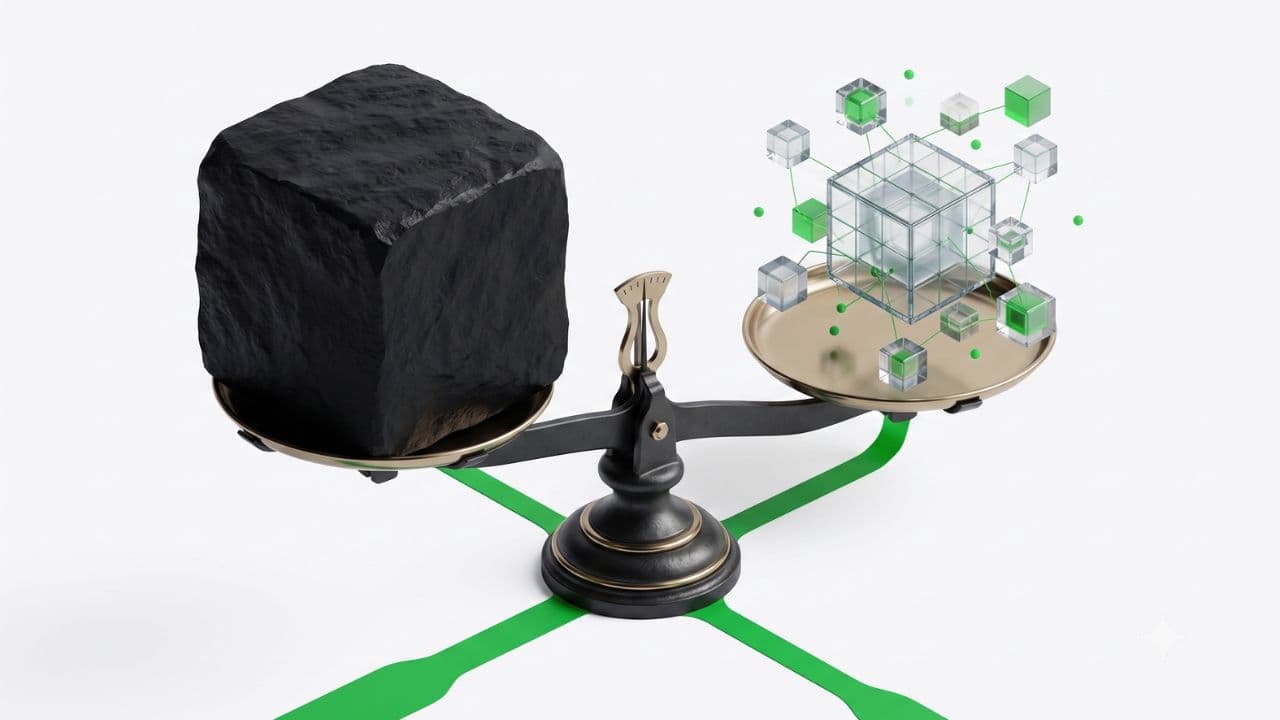
The end of the monolithic CMS era. Why I build exclusively in headless architecture in 2026.
Traditional systems can no longer keep up with the demands of modern e-commerce and B2B. Here is why Napora Studio has dropped templates entirely and builds on Next.js and Payload CMS.

The traditional approach to building websites rested on monoliths. Systems like WordPress or Magento fused the database, the business logic and the user interface into one heavy, inseparable organism. With every plugin added, the whole system grew slower and more exposed to attack.
In 2026 those compromises no longer make sense. That is why, at Napora Studio, I work entirely in headless architecture.
„In 2026 a slow website is not a technical problem for the IT department. It is a direct financial problem for the whole board. Milliseconds cost money.”
The anatomy of headless architecture
"Headless" means a radical separation of the visual layer (the front end) from the database and the management panel (the back end). Instead of generating heavy HTML on the server with every visit, the systems talk to each other through a clean API.
At Napora Studio the stack looks like this:
Front end (the head): Next.js - generates an ultra-fast interface.
Back end (the body): Payload CMS or MedusaJS - manages the content and the business logic.
As a result the front end asks the back end for clean data and nothing else, which looks roughly like this:
{
  "status": "success",
  "data": {
    "title": "Company Websites and B2B Platforms",
    "budget": 4000,
    "currency": "PLN",
    "features": ["Next.js", "Payload CMS", "Zero Vendor Lock-in"]
  }
}
Three reasons this is the only sensible road
I am not following a trend. My technology decisions come from the hard business requirements of B2B clients.
Extreme performance and SEO results. Next.js allows pages to be served statically (SSG) or rendered on the server (SSR). The result? Instant loading and Core Web Vitals scores a monolith will never reach. Google rewards that with higher positions.
Armour-plated security. In a headless architecture the database and the admin panel are hidden. Malicious code cannot inject itself into the database through a contact form on the site, because the front end has no direct access to it.
No vendor lock-in. You own your code. Payload CMS is open source. You get a powerful panel, a modern system and complete independence. If in two years you decide to move the front end to a different technology, your database and your content stay untouched.
Web architecture is the foundation. If you build it on an outdated, monolithic system, every future rollout will cost you more time and more money. Choose technology that is ready to scale from day one.